
Understanding the Psychological Effects of Gambling on Decision-Making
The Nature of Gambling and Its Appeal
Gambling, in its various forms, captivates millions around the globe. This allure stems from the thrill of uncertainty and the potential for immediate gratification. The rush of placing a bet or spinning a slot machine activates reward pathways in the brain, releasing neurotransmitters that enhance feelings of pleasure. Consequently, this can lead individuals to make impulsive decisions, often prioritizing short-term rewards over long-term consequences. In this context, finding the best online casinos can amplify the excitement of gameplay.

The excitement associated with gambling can create a cycle of reinforcement. As players experience wins, no matter how small, they become increasingly motivated to continue gambling, reinforcing the behavior. This dynamic can cloud judgment and lead to compulsive gambling, where the decision-making process is heavily skewed by the desire for more immediate rewards.
Cognitive Biases in Gambling Decisions
Many psychological factors influence decision-making in gambling. Cognitive biases, such as the illusion of control, can mislead players into believing they can influence outcomes that are entirely random, such as the results of a slot machine. This misconception not only fuels the desire to gamble but also distorts decision-making processes, as players might take undue risks based on false beliefs.
Another prevalent bias is the gambler’s fallacy, where individuals mistakenly believe that past events affect future outcomes. For example, if a player has experienced several losses, they might irrationally conclude that a win is “due.” Such distorted thinking can severely impact financial decisions, leading to increased betting and greater losses.
Emotional Influences on Gambling Behavior
Emotions play a critical role in gambling decisions. Players often gamble to escape negative feelings or to enhance positive ones. For some, the thrill of gambling serves as a distraction from stress, anxiety, or depression. This emotional connection can lead to maladaptive decision-making, where individuals continue to gamble despite adverse consequences.
Moreover, the emotional highs associated with winning can create a euphoric state that clouds rational thought. This can result in excessive gambling, as individuals chase that high, ignoring the reality of their financial situation. The interplay between emotions and decision-making in gambling underscores the complexity of the psychological effects involved.
The Role of Environment in Gambling Decisions
The environment in which gambling occurs also significantly influences decision-making. Factors such as social settings, the ambiance of casinos, and peer pressure can exacerbate gambling behaviors. In a lively casino atmosphere, players may feel compelled to make riskier decisions due to the excitement and encouragement of those around them.
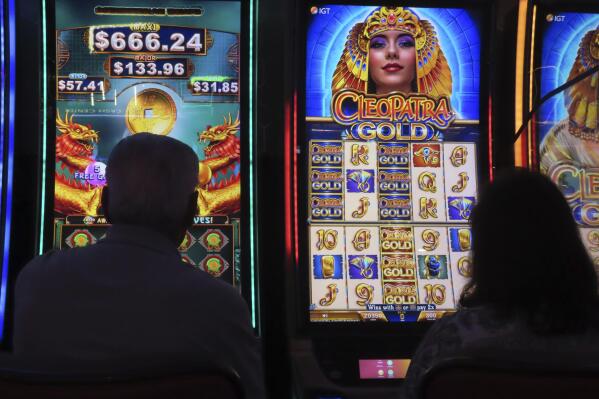
Additionally, the design of gambling venues and online platforms often exploits psychological principles to increase player engagement. Features such as sound effects, visual stimuli, and reward systems are strategically implemented to create a sense of urgency and excitement, further influencing decision-making. Understanding these environmental factors can help players become more mindful of their gambling behaviors.
Enhancing Responsible Gambling Practices
To promote responsible gambling, awareness of the psychological effects is essential. Resources and strategies, such as setting limits on time and money spent, can help mitigate impulsive decisions. Education about cognitive biases and emotional influences can empower players to recognize and counteract detrimental thought patterns.
Our website serves as a comprehensive resource for individuals seeking to enhance their gambling experience while prioritizing responsible practices. By providing insights into the psychological aspects of gambling and offering tools for self-management, we aim to create a safer gaming environment for all players. Whether you are new to gambling or an experienced player, understanding these psychological effects is crucial for making informed decisions.