
The evolution of gambling A journey through history and its cultural impacts
The Origins of Gambling
The roots of gambling can be traced back thousands of years to ancient civilizations. Archaeological evidence shows that people in Mesopotamia, China, and Rome engaged in various forms of betting and wagering. The earliest known gambling artifacts, including dice made from animal bones, date back to around 3000 BC. These early forms of gambling were often intertwined with religious practices, as individuals believed that outcomes were influenced by divine forces. Today, people can play Chicken Road game online in Nigeria, finding new ways to experience the thrill of chance.

As societies evolved, so did their approach to gambling. Ancient Greeks and Romans incorporated gambling into their social fabric, using it as a form of entertainment during festivals and public games. The popularity of games of chance grew, leading to the establishment of rules and regulations that sought to manage the inherent risks associated with gambling.
The Rise of Casinos
The modern casino as we know it emerged in the 17th century, initially in Italy. The term “casino” derives from the Italian word for a small house or villa, where people would gather for leisure activities. The first official casino, the Ridotto, opened in Venice in 1638, offering games like faro and basset. This development marked a significant shift in gambling, transitioning from informal social gatherings to structured establishments.
Throughout the 18th and 19th centuries, casinos began to spread across Europe and the Americas, each region adding its unique cultural flavor to the gambling experience. The establishment of Las Vegas as a gambling hub in the 20th century further revolutionized the industry, with luxurious resorts and elaborate entertainment options drawing millions of visitors each year.
The Psychology of Gambling
The psychology behind gambling is a complex interplay of thrill-seeking behavior, social interaction, and the allure of monetary gain. Many players are drawn to the adrenaline rush that comes with betting, which can create a sense of euphoria. This psychological aspect can lead to both responsible gaming and problematic gambling behavior, depending on an individual’s mindset and circumstances.
Researchers have studied various psychological triggers that influence gambling behavior, including the excitement of winning, the fear of loss, and the social aspects of gaming. Understanding these psychological factors is crucial for developing responsible gambling practices and promoting awareness about the potential risks associated with gambling.
Gambling in Contemporary Society
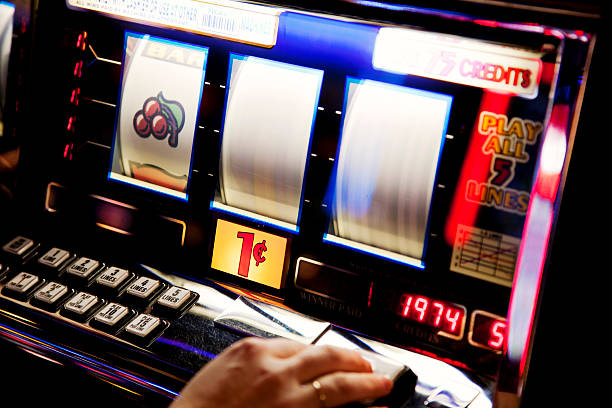
Today, gambling is a multi-billion-dollar industry that spans the globe, encompassing everything from traditional casinos to online gaming platforms. The advent of technology has transformed the way people engage in gambling, with online casinos offering a vast array of games and opportunities for players to gamble from the comfort of their homes. This shift has also raised concerns about gambling addiction and regulatory measures to protect consumers.
Join the Gaming Community
Exploring the evolution of gambling provides insight into how this pastime has shaped human culture throughout history. Whether you are interested in the thrill of traditional casino games or the excitement of modern online platforms, there are ample opportunities to engage with this dynamic industry. As you embark on your gaming journey, ensure you do so responsibly, keeping in mind the various psychological and cultural factors at play. Additionally, you might want to check out chicken road nigeria for an exhilarating gaming experience.
In conclusion, the evolution of gambling reflects broader societal changes and cultural developments. Engaging with this history not only enhances your understanding of gambling but also encourages responsible participation in this enduring pastime.