
Uncovering the truth behind nine common gambling myths
The Myth of the Lucky Charm
Many players believe that certain items, such as lucky charms or personal belongings, can influence the outcome of a game. This belief can be traced back to superstitions that have been passed down through generations. The reality is that gambling outcomes are based on chance and randomness, particularly in games such as slots or roulette. No physical object can alter the inherent probability of winning or losing. Players who explore websites like winiwin.org will find that understanding the mechanics of games is far more beneficial.

Even in environments like casinos, where ambiance and excitement reign, the idea of luck associated with physical items can cloud players’ judgment. Players might invest more emotional energy in these charms than in understanding the game mechanics. Emphasizing skill and strategy is essential for improving one’s chances, rather than relying on superstitions that lack any scientific backing.
While believing in luck can add an element of fun to the experience, it’s crucial to remember that gambling should be approached with a clear understanding of odds and probabilities. Players are encouraged to focus on what truly impacts their results—the rules of the game, their betting strategies, and their decision-making processes—rather than imaginary forces that they think could sway outcomes.
The Gambler’s Fallacy
The gambler’s fallacy suggests that past events affect future outcomes, leading players to believe that a particular number is “due” to win in games like roulette. This misconception can lead to poor betting strategies based on flawed logic. For example, if a player observes that a specific number hasn’t appeared for several rounds, they may think it is more likely to come up in the next round. However, each spin of the wheel is an independent event.
Understanding this fallacy is crucial for responsible gambling. Believing that luck will balance out over time can encourage players to make irrational decisions, such as increasing their bets based on perceived patterns. In reality, the odds of winning remain constant regardless of previous outcomes, which can lead to increased losses if players chase after a supposed streak of luck.
Being aware of the gambler’s fallacy can help players approach gambling with a more rational mindset. Players who acknowledge the independence of each game round are more likely to develop sound strategies that prioritize informed decision-making over reliance on flawed assumptions about luck and chance.
The Belief that Casinos Are Rigged
Another common myth is the belief that casinos manipulate games to ensure that players lose more often than they win. While it’s true that casinos have a built-in advantage in most games—commonly known as the house edge—this doesn’t equate to cheating. The house edge is designed to ensure profitability for the casino over time, and it is clearly stated for each game.
This belief can stem from personal experiences where players have faced consecutive losses. However, it’s important to understand that these outcomes are a normal part of gambling. In reality, reputable casinos operate under strict regulations and oversight to maintain fairness. They rely on random number generators in games to ensure that results are unbiased and unpredictable.
The perception of rigging can damage a player’s experience and discourage participation in an otherwise enjoyable activity. By informing themselves about how games work and understanding the odds, players can enjoy the thrill of gambling without falling prey to misconceptions that can lead to mistrust and frustration.
The Illusion of Control
Many gamblers believe they can exert control over games, especially those that require skill, like poker. While skill certainly plays a role in certain games, the idea that players can consistently influence outcomes is misleading. Factors such as luck and chance are integral to the games, making it impossible to predict every hand or spin accurately.
This illusion of control can lead players to engage in reckless behavior, such as chasing losses or making uninformed bets. The more a player tries to control the outcome, the more they may lose sight of their original strategy. Understanding that some aspects of gambling are beyond personal control is vital for maintaining a healthy perspective on gambling.
Developing a strong grasp of probability and strategy can enhance a player’s performance but should be balanced with an awareness of the game’s inherent unpredictability. Recognizing the limits of control in gambling can aid in developing a responsible approach that prioritizes enjoyment and strategy over unrealistic expectations of influencing outcomes.
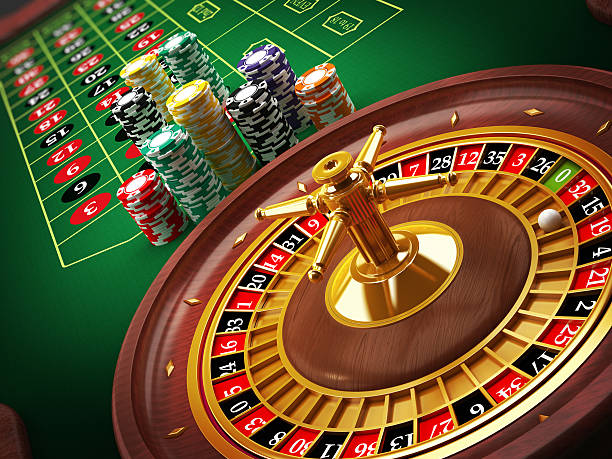
Winiwin Casino and Its Approach to Gaming
Winiwin Casino aims to offer a transparent and fair gaming experience, addressing common misconceptions surrounding gambling. With a vast selection of slots and table games powered by reputable providers, players can enjoy high-quality entertainment without falling into the traps of common myths. The platform emphasizes responsible gaming and provides resources to help players make informed decisions.
Players are encouraged to explore various games and learn about their odds, ensuring a thorough understanding before placing bets. Winiwin Casino prioritizes user-friendly navigation and clearly defined bonus rules, making it easier for players to engage with the gaming experience responsibly and effectively. The dedicated support team is available to answer any questions related to game mechanics, helping players feel confident and informed.
Ultimately, Winiwin Casino combines entertainment with education, creating an environment where players can enjoy their favorite games while dispelling the myths that often cloud the gambling landscape. By promoting knowledge and responsible gaming, the platform strives to enhance the overall experience for its users and foster a vibrant gaming community.